
- EN 441 stainless steel flat bar Hot rolled / cold drawn
- STS304L stainless steel round bar
- Stainless Steel Hot Rolled Flat Bar
- ISO Stainless Steel Angle Bar
- straight cut stainless steel wire sus304
- 304 bright soft annealed stainless steel wire
- 304L bright soft annealed stainless steel wire
- Stainless Steel Wire
- AISI316 stainless steel round pipe/tube
- 300 Series grade stainless steel round pipe
- AISI/SUS stainless steel pipe/tube cold drawn
- ASTM A249 stainless steel round pipe

Stainless Steel Wire
Inquiries : 0 - 2025/12/4 9:54:55
Stainless Steel Wire: The Complete Guide to Its Properties, Uses, and Selection for Your Project
So, you're sourcing materials for a project that demands strength, durability, and corrosion resistance? Look no further than stainless steel wire. Far more than just a commodity metal, it's a high-performance engineering material defined by its minimum 10.5% chromium content. This isn't just a spec sheet number; it's what forms an invisible, self-repairing layer of chromium oxide on the surface, giving "stainless" its name and legendary resistance to rust and degradation.
But with various grades and finishes available, how do you choose the right one? As specialists in the field, we'll break down not just what stainless steel wire is, but why its properties matter for your specific application, helping you make an informed decision that ensures longevity and performance.
Why Stainless Steel Wire? Unpacking Its Core Advantages
Choosing the right material is about solving problems before they occur.

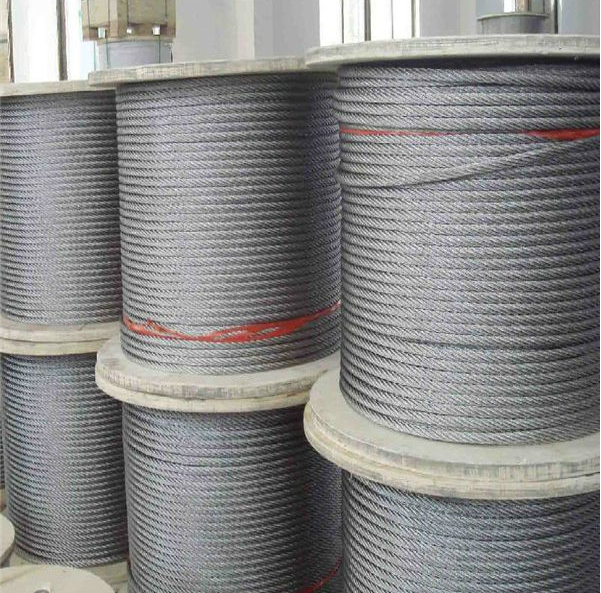
Here’s what high-quality stainless steel wire brings to the table:
Superior Corrosion & Rust Resistance: This is the hallmark. Whether it's exposure to moisture, chemicals, or saline environments, stainless steel wire stands up where ordinary steel wire would fail. This translates to lower maintenance costs and a longer service life.
High Strength-to-Weight Ratio: Through precise cold drawing, stainless wire achieves remarkable tensile strength. It provides reliable structural support and fatigue resistance without unnecessary bulk, making it efficient and cost-effective.
Excellent Formability and Weldability: Need it bent, coiled, or woven? Stainless steel wire offers excellent ductility for fabrication. It also welds cleanly, allowing for strong, durable joins in assembled products.
Hygiеnic and Easy-to-Clean Surface: Its non-porous, smooth finish prevents bacterial buildup and is easily sterilized. This is non-negotiable for food grade stainless steel wire and medical grade wire applications, where safety is paramount.
Consistent Performance Across Temperatures: Grades like 304 and 316 maintain their integrity and mechanical properties in both high-heat and cryogenic conditions, ensuring reliability where other materials might become brittle or weak.
Key Applications: Matching the Wire to the Challenge
Understanding these properties helps us see why stainless steel wire is the trusted choice across industries. It's not just a material; it's a solution.
Industrial & Construction Backbone:
Filter Meshes & Screens: In chemical processing or water treatment, stainless steel wire mesh resists corrosive fluids while providing precise filtration.
Security & Fencing: Its strength and weather resistance make it ideal for durable, low-maintenance security fencing and wire rope.
Reinforcement & Binding: As tie wire or in concrete fiber reinforcement, it adds tensile strength and crack resistance to structures.
Precision in Automotive & Manufacturing:
It's the material behind critical components like high-tensile springs, fasteners, and cable assemblies, where failure is not an option. Its reliability under stress is key.
Medical & Food Safety Compliance:
This is where material purity is critical. Medical stainless steel wire is used in surgical guides, orthodontics, and implantable devices. Similarly, food processing wire belts and handling equipment ensure product safety and meet stringent health codes.
Consumer Goods & Durability:
From the resilience of a stainless steel spring in a high-end appliance to the tarnish-free beauty of craft wire for jewelry, it adds value through lasting performance and aesthetics.
Your Guide to Selecting the Right Stainless Steel Wire
Not all stainless wire is the same. The right choice depends on your environment and demands:
For general-purpose corrosion resistance (indoor applications, architectural): Type 304 Stainless Steel Wire is the most versatile and widely used grade.
For harsh environments (marine, chemical processing, high chloride exposure): Type 316 Stainless Steel Wire, with added molybdenum, offers enhanced pitting resistance.
For high-strength requirements (springs, cables): Consider cold-drawn, high-tensile variants or specific grades like 302/304 for spring wire.
Think about your needs: What is the primary threat—rust, chemical exposure, physical stress, or temperature extremes? The answer will point you to the optimal grade.
Conclusion: A Smart Investment for Demanding Applications
In essence, stainless steel wire is an investment in reliability. Its upfront cost is offset by its unparalleled durability, reduced maintenance, and failure prevention. Whether you're reinforcing a bridge, weaving a filter, or designing a medical device, selecting the correct specification is crucial.
